
Who doesn’t love chocolate? This sinfully sweet indulgence, which has been a part of culinary culture for more than three millennia, is more than just a treat: it is rich in antioxidants and has been shown to be good for your heart!

Certainly chocolate can be a part of a healthy diet. So indulge a little! Here are seven of our members’ favorite recipes starring chocolate:
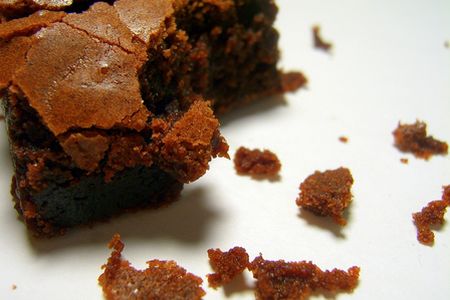
SKILLET FUDGE BROWNIES
Chewy + thick + fudgy = the best brownies you will ever make
Ce que Casinara Révèle sur les Dépôts Minimum dans les Casinos
Dans l’univers des casinos en ligne, la question du dépôt minimum est souvent reléguée au second plan, éclipsée par les discussions sur les bonus, les jeux disponibles ou encore les taux de redistribution. Pourtant, ce paramètre fondamental conditionne directement l’accessibilité d’une plateforme et reflète la philosophie commerciale d’un opérateur. Comprendre ce que révèlent les analyses comparatives, notamment celles proposées par des plateformes spécialisées comme Casinara, permet aux joueurs de mieux naviguer dans un secteur en constante évolution et de faire des choix éclairés correspondant à leur profil financier et à leurs attentes ludiques.
L’évolution historique des dépôts minimum dans les casinos en ligne
Lorsque les premiers casinos en ligne ont vu le jour dans les années 1990, les dépôts minimum étaient souvent fixés à des seuils relativement élevés, parfois entre 50 et 100 dollars ou euros. Cette réalité s’expliquait principalement par les contraintes technologiques de l’époque et par les coûts de traitement des transactions bancaires, qui rendaient peu rentables les petits versements. Les opérateurs de l’époque ciblaient essentiellement une clientèle aisée, disposée à engager des sommes conséquentes pour accéder à une expérience de jeu encore balbutiante sur le plan technique.
Au fil des années 2000, l’essor des portefeuilles électroniques comme PayPal, Neteller ou Skrill a profondément modifié le paysage. Ces solutions de paiement ont permis de réduire considérablement les frais de transaction, ouvrant la voie à des dépôts minimum plus accessibles, généralement compris entre 10 et 20 euros. Cette démocratisation progressive a coïncidé avec une intensification de la concurrence entre opérateurs, chacun cherchant à attirer de nouveaux segments de joueurs, notamment les profils plus prudents ou disposant de budgets limités.
La décennie 2010 a marqué un tournant supplémentaire avec l’apparition des casinos à dépôt minimum de 5 euros, puis de 1 euro, voire même de casinos sans dépôt proposant des bonus d’inscription. Cette tendance s’est accélérée avec l’intégration des cryptomonnaies, dont les frais de transaction quasi nuls permettent théoriquement des microdépôts. Aujourd’hui, certaines plateformes acceptent des dépôts en Bitcoin ou en Ethereum équivalant à quelques centimes d’euro, bien que la volatilité de ces actifs introduise une complexité supplémentaire dans la gestion du budget de jeu.
Ce que Casinara révèle sur les pratiques actuelles des opérateurs
L’analyse comparative menée par Casinara met en lumière des disparités significatives entre les différents opérateurs du marché. En examinant les données agrégées sur les casinos en ligne disponibles pour les joueurs francophones, il apparaît que la grande majorité des plateformes sérieuses et régulées proposent aujourd’hui un dépôt minimum compris entre 10 et 20 euros. Ce seuil semble représenter un équilibre entre la viabilité économique pour l’opérateur et l’accessibilité pour le joueur moyen.
Les informations détaillées disponibles sur https://casinara.com/casino-depot-minimum/ permettent aux joueurs de comprendre non seulement les montants requis, mais également les conditions qui y sont attachées, notamment en ce qui concerne les méthodes de paiement acceptées, les délais de traitement et les éventuelles restrictions liées aux bonus. Cette approche analytique révèle que le dépôt minimum ne peut pas être considéré isolément : il doit être mis en relation avec l’ensemble de l’écosystème financier de la plateforme.
Casinara souligne également un phénomène intéressant : les casinos proposant des dépôts minimum très bas, de l’ordre de 1 à 5 euros, ne sont pas nécessairement les plus avantageux pour les joueurs. En effet, certains de ces opérateurs compensent cette accessibilité apparente par des conditions de bonus particulièrement restrictives, des exigences de mise élevées ou des limites de retrait contraignantes. À l’inverse, des casinos avec un seuil de dépôt de 20 euros peuvent offrir des conditions globalement plus favorables et une expérience de jeu de meilleure qualité.
Un autre enseignement important issu des analyses de Casinara concerne la corrélation entre le dépôt minimum et le niveau de régulation d’une plateforme. Les casinos opérant sous des licences strictes, comme celles délivrées par la Malta Gaming Authority ou la UK Gambling Commission, tendent à maintenir des seuils de dépôt raisonnables tout en imposant des protocoles de vérification d’identité rigoureux. Ces mesures, parfois perçues comme contraignantes par certains joueurs, participent en réalité à la protection des consommateurs et à la lutte contre le blanchiment d’argent.
Les facteurs déterminants dans la fixation des seuils de dépôt
La détermination du dépôt minimum par un opérateur de casino en ligne résulte d’une équation complexe intégrant plusieurs variables interdépendantes. Le premier facteur est d’ordre économique : chaque transaction génère des coûts fixes pour l’opérateur, qu’il s’agisse des commissions prélevées par les prestataires de paiement, des coûts de vérification ou des charges administratives. Un dépôt trop faible peut donc se révéler déficitaire pour la plateforme si ces coûts ne sont pas couverts par les revenus générés.
Le deuxième facteur est réglementaire. Dans certaines juridictions, les autorités de régulation imposent des exigences minimales en matière de transactions financières, notamment pour faciliter les contrôles anti-blanchiment. Ces contraintes légales peuvent influencer directement le seuil de dépôt minimum pratiqué par les opérateurs soumis à ces réglementations. En France, par exemple, l’Autorité Nationale des Jeux (ANJ) impose des obligations strictes en matière de traçabilité des flux financiers, ce qui a des répercussions indirectes sur les politiques de dépôt des casinos agréés.
Le troisième facteur est stratégique et marketing. Un dépôt minimum bas peut constituer un argument commercial puissant pour attirer de nouveaux joueurs, en particulier ceux qui souhaitent tester une plateforme sans engager des sommes importantes. Cette stratégie d’acquisition est particulièrement répandue dans un marché saturé où la différenciation entre opérateurs devient de plus en plus difficile. Casinara observe que les casinos qui ont récemment réduit leur dépôt minimum ont généralement enregistré une augmentation significative de leur nombre de nouveaux inscrits, bien que la valeur moyenne par joueur ait pu diminuer en parallèle.
Enfin, le quatrième facteur concerne les méthodes de paiement disponibles. L’intégration de nouveaux modes de paiement, comme les virements instantanés, les paiements par téléphone mobile ou les cryptomonnaies, a permis de réduire les coûts de transaction et d’abaisser en conséquence les seuils de dépôt minimum. Les plateformes qui investissent dans la diversification de leurs options de paiement disposent d’une plus grande flexibilité pour adapter leurs politiques de dépôt aux attentes de différents segments de clientèle.
Implications pratiques pour les joueurs et perspectives d’avenir
Pour les joueurs, comprendre la logique sous-jacente aux politiques de dépôt minimum permet d’adopter une approche plus rationnelle dans le choix d’une plateforme. Il serait réducteur de sélectionner un casino uniquement sur la base d’un dépôt minimum attractif, sans tenir compte d’autres critères essentiels comme la qualité du service client, la diversité du catalogue de jeux, la fiabilité des paiements ou la robustesse des mesures de sécurité. Casinara recommande une analyse multicritères dans laquelle le dépôt minimum constitue un indicateur parmi d’autres, et non un critère décisif en soi.
La gestion responsable du budget de jeu est également un aspect fondamental que les analyses de Casinara mettent en avant. Un dépôt minimum bas peut paradoxalement encourager certains joueurs à multiplier les transactions et à perdre le contrôle de leurs dépenses globales. À l’inverse, un seuil légèrement plus élevé peut inciter à une réflexion préalable avant chaque dépôt, fonctionnant comme un mécanisme naturel de régulation des comportements de jeu. Les outils de jeu responsable, comme les limites de dépôt personnalisables ou les périodes de refroidissement, complètent utilement les politiques de dépôt minimum pour protéger les joueurs vulnérables.
Du côté des tendances futures, plusieurs évolutions semblent se dessiner. L’essor des technologies de paiement instantané et la généralisation progressive des cryptomonnaies stables, ou stablecoins, pourraient permettre de réduire encore davantage les coûts de transaction et, par conséquent, les seuils de dépôt minimum. Parallèlement, le développement de l’intelligence artificielle dans la détection des comportements problématiques pourrait conduire les régulateurs à imposer des dépôts minimum plus élevés comme mesure préventive, créant ainsi une tension entre accessibilité et protection des consommateurs.
La montée en puissance des casinos mobiles constitue également un facteur d’évolution important. Les joueurs qui accèdent aux plateformes depuis leur smartphone ont des habitudes de jeu différentes de ceux qui utilisent un ordinateur de bureau, avec des sessions généralement plus courtes et des mises plus modestes. Cette réalité incite les opérateurs à adapter leurs politiques de dépôt minimum pour répondre aux besoins spécifiques de cette clientèle en pleine expansion, qui représente désormais plus de 60 % du trafic sur la plupart des grandes plateformes de jeu en ligne.
En conclusion, les dépôts minimum dans les casinos en ligne constituent un indicateur révélateur de la stratégie, des valeurs et du positionnement d’un opérateur. L’analyse approfondie proposée par Casinara démontre que ce paramètre, souvent négligé, mérite une attention particulière de la part des joueurs souhaitant optimiser leur expérience de jeu. Entre accessibilité financière, viabilité économique et impératifs réglementaires, la fixation du dépôt minimum résulte d’un équilibre délicat que chaque opérateur négocie différemment. En intégrant cette dimension dans leur processus de sélection d’une plateforme, les joueurs peuvent prendre des décisions plus éclairées, plus cohérentes avec leurs objectifs et plus respectueuses de leurs limites financières personnelles.
Ingredients
- ½ cup / 120 gm butter, cubed
- 8 oz. / 240 gm bittersweet chocolate, chopped (or chips)
- 1 Tbsp. / 6 gm Stevia or monk fruit powder:
- or ½ cup / 100 g xylitol, coconut sugar, or organic whole cane sugar
- or a mixture, to taste
- 3 omega-3 or grass-fed eggs
- ½ cup / 120 gm Greek yogurt
- 1 tsp. / 5 ml pure vanilla extract
- 1 cup / 120 gm almond flour/meal
Instructions
- Preheat oven to 350°F / 180°C.
- Over low heat, melt chocolate and butter in an oven-safe skillet, stirring occasionally.
- Remove pan from heat and add sweetener; stir to combine well.
- Add the eggs, 1 at a time, stirring after each addition.
- Stir in the yogurt and vanilla, and gradually add almond flour; stir until well-incorporated.
- Place skillet in preheated oven. Bake for 30 minutes.
- Allow to cool a bit before serving.
CHOCOLATE SMOOTHIE
An easy smoothie with much-loved flavors

Ingredients
- 1 Scoop Organic Whole Food Protein Powder
- 2 tsp. Pure Cocoa Powder
- ½-1 Frozen Banana
- 2 tsp. Flaxseed, Ground
- ½ Tbsp. Honey
- ½ scoop Organic Super Greens Powder
- 8 Ice Cubes
- ⅓ + Cup Filtered Water
Instructions
- Blend all ingredients in the blender, ice cubes last.
- Start on low speed and quickly increase to high.
- Ready when ingredients mixed well, no ice left.
Variety: Add vanilla extract instead of cocoa. Add other nutritional ingredients as you like
CHOCOLATE MOUSSE
Creamy and high in calcium, protein, and chocolate antioxidants, this is a mousse not to miss

Ingredients
- 3 oz / 85 g dark chocolate (high cocoa, i.e. 70%), chopped or shaved
- 1 Tbsp. / 5.4 g pure cocoa powder
- ½ cup / 120 ml cup organic vegan or grass-fed milk
- 1½ Tbsp. / 45 g organic evaporated whole cane juice
- 1 cup / 240 g cups organic vegan or Greek yogurt
- 2 egg whites or vegan substitute (optional)
- 1½ tsp. / 7 ml l flavor extract, i.e. vanilla, coffee, or orange (optional)
Instructions
- In a double boiler, whisk together the milk and sweetener. Heat the milk over medium heat, whisking frequently, until hot but not boiling.
- Add the chocolate to the heated milk and let it sit for one minute. Then gently stir with a spatula until the chocolate melts into the milk. If egg whites will NOT be used, stir in the evaporated cane juice. Remove from heat and continue stirring slowly until the mixture is smooth.
- Drain off any excess liquid from Greek yogurt and add to a medium mixing bowl. Use a fork to whip the yogurt until fluffy.
- Stir the chocolate mixture again, then pour it into the yogurt with the flavor extract, if desired. Fold the chocolate into the yogurt until fully incorporated, for approximately 2-3 minutes.
- If egg white or substitute is desired, beat until soft peaks form (this will take longer for the substitute, about 12 minutes), then whisk in the evaporated cane juice until thick and glossy. Fold ⅓ of the whisked egg whites/substitute into the chocolate mix, then fold in the rest very gently, until evenly mixed in.
- Divide the mixture between 4 dessert dishes.
Chill for 2 hours. Serve cold.
HOMEMADE CHOCOLATE ICE “CREAM”
A delicious frozen dessert that fits your healthy lifestyle

Ingredients
- 1½ tsps / 7½ gm unflavored gelatin
- 1 Tbsp / 15 ml water
- 3 cups / 720 ml organic grass-fed milk
- 3 large omega-3 or grass-fed egg yolks
- 14-oz / 420-ml can nonfat sweetened condensed milk
- ¼ cup / 60 gm unsweetened pure cocoa powder
- 2 oz / 57 gm chopped unsweetened chocolate
Instructions
- Sprinkle gelatin over water in a small bowl; let stand, stirring once or twice, while you continue.
- Pour half of the milk (1½ cups/360 ml) into a large saucepan. Add cocoa and chocolate to the milk.
- Heat the milk mixture over medium heat until steaming. Whisk egg yolks and condensed milk in a medium bowl.
- Gradually pour in the hot milk, whisking until blended. Return the mixture to the pan and cook over medium heat, stirring with a wooden spoon, until the back of the spoon is lightly coated, 3-5 minutes. Do not bring to a boil, or the custard will curdle.
- Strain the custard through a fine-mesh sieve into a large bowl (must be very clean). Add the softened gelatin and whisk until dissolved. Whisk in the remaining milk. Cover and refrigerate until chilled, for at least 2 hours.
- Whisk ice cream mixture and pour into the canister of an ice cream maker. Freeze according to manufacturer’s directions. If necessary, place the ice cream in the freezer to firm up before serving.
- Ice cream can be stored in an airtight container in the freezer for up to 1 week.
- If you want to flavor the ice cream with stir-ins such as crumbled cookies, toasted nuts, chopped fruit, etc., here are a few tips:
- Stir-ins should be small, about the size of a pea.
- Cool toasted ingredients completely before adding them to the ice cream maker.
- Add stir-ins to the ice cream maker during the last 5 minutes of freezing.
- Check your ice cream maker’s instructions when it comes to judging the volume of your stir-ins. In general, the ratio is 1 cup/240 gm of stir-ins per quart/liter of ice cream.
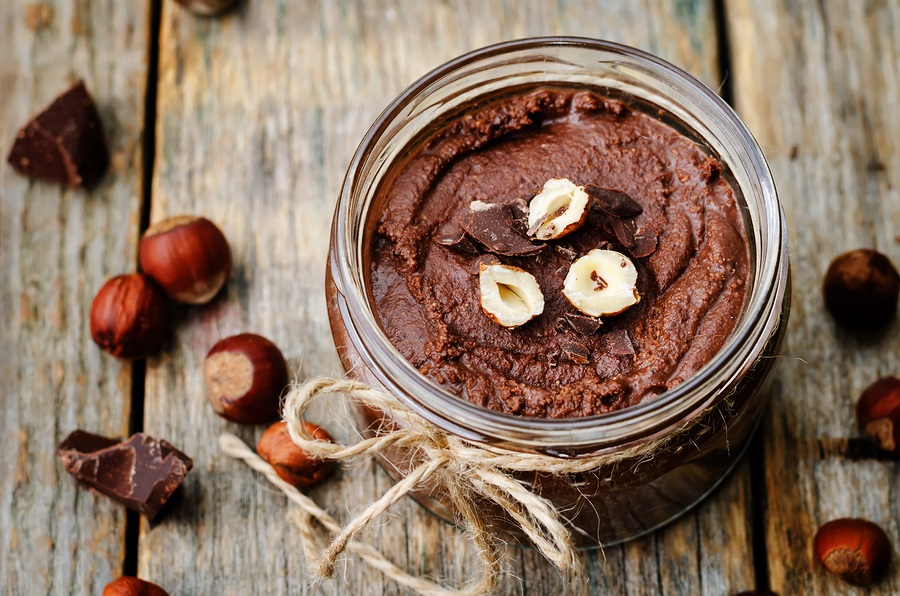
COCOA-NUT SPREAD
There’s nothing quite like the classic combination of chocolate and hazelnuts to quench a craving
Ingredients
- 3 cups / 405 g raw hazelnuts, unsalted
- ⅓ cup / 75 g roasted cacao nibs or 3½ cups / 100 g dark chocolate (preferably more than 60% cacao), chopped
- ¾ cup / 150 g raw sugar
- 2 Tbsp. / 30 ml unrefined coconut and/or hazelnut oil
- 1 tsp. / 5 ml pure vanilla extract
- ⅛ tsp. / ¾ g salt
Instructions
- Spread hazelnuts in a single layer in a baking sheet. Place sheet in the middle rack of an oven, and toast under the broil/grill setting. Allow to roast for several minutes until lightly browned and emitting a characteristic “toasted” scent, turning periodically to prevent burning.
- Remove the sheet from the oven and allow to cool just enough to enable safe handling.
- Meanwhile, place the sugar in a food processor or high-speed blender/chopper, and grind to a powdery texture, about 30 seconds.
- While the sugar dust settles, place the cooled nuts on a silicone mat, fold it, and roll and massage the nuts to release the skins. Discard the skins or set aside for reuse— they make a great eco-friendly skin buffer or soil supplement.
- Remove the sugar from the food processor, and set aside in a separate container
If using cacao nibs:
- Add the nibs and nuts to a food processor or high speed blender/chopper. Purée for about 5 minutes; as the ingredients build up on the sides of the canister, scrape them down to reincorporate
- Add the oil and vanilla extract, and purée for another 5 minutes, until creamy.
- Add the sugar, and purée for another 30-60 seconds, until smooth
If using solid chocolate:
- Add the nuts to a food processor or high speed blender/chopper. Purée for about 5 minutes; as the ingredients build up on the sides of the canister, scrape them down to reincorporate
- Melt the chopped chocolate in a microwave oven or over a double boiler until syrupy.
- Add the melted chocolate, oil and vanilla extract, and purée for another 5 minutes, until creamy.
- Add the sugar, and purée for another 30-60 seconds, until smooth.
Store in a clean jar at room temperature for up to 3 weeks.
CREAM CHEESE COCOA FUDGE CAKE
There’s nothing quite like the classic combination of chocolate and hazelnuts to quench a craving

Ingredients
Cake
- 1½ cups / 180 g whole grain flour*
- Sweetener equivalent to 1 cup sugar:
- 1 cup / 150 g whole evaporated cane juice or coconut sugar
- ¼ cup / 48 g monk fruit or Stevia sweetener
- 1½ cups / 288 g xylitol
- 2 cups / 480 g inulin sweetener
- or a calculated combination of the above
- ¼ cup / 20 g pure cocoa
- 1 Tbsp. / 8 g organic cornstarch
- ½ tsp / 2 g baking powder, aluminum-free
- 1 tsp / 5 g baking soda
- ¼ tsp / 1½ g salt or substitute
- 1 Tbsp. / 15 ml apple cider vinegar
- 1 tsp / 5 ml vanilla extract or scraping of 1 vanilla bean
- ⅓ cup / 80 ml organic almond or hazelnut oil for nut flavor orfor no nut flavor:
- organic rapeseed/canola oil
- macadamia oil
- camelina oil
- perilla oil
- 1 cup / 240 ml organic/grass-fed lowfat milk or:
- unsweetened vegan milk
- 1 egg, organic omega-3/grass-fed or:
- ¼ cup / 50 g flax gel (¾ cup / 180 ml warm water + 1½ Tbsp / 22 g flax seeds)
Filling
- 8 oz / 240 g organic grass-fed or soy cream cheese (no hydrogenated fats), softened
- ½ cup inulin sweetener or xylitol
- 1 egg, organic omega-3/grass-fed or:
- ¼ cup / 50 g flax gel (¾ cup / 180 ml warm water + 1½ Tbsp / 22 g flax seeds)
- ½ cup / 90 g semisweet dark chocolate (60% or greater cocoa solids), grated
- 1 cup / 123 g organic whole raspberries or chopped strawberries or cherries (optional)
Instructions
- Preheat oven to 350°F / 175°C.
- Spray bottom of 13×9-in / 33×23-cm pan with nonstick spray.
- If flax gel is to be used instead of egg, blend 1½ cups warm water with 3 Tbsp. whole flax seeds in a food chopper/processor for 10 seconds, then allow to sit for 5 minutes; strain mixture through fine mesh colander and collect the gel – target yield should be ½ cup. The moist flax seeds are reusable, if so desired, store them in the refrigerator or freezer.
- In a large bowl, sift together the flour, sweeteners, and other powders (total: first 8 ingredients).
- Add in vinegar, egg or ¼ cup flax gel, vanilla, oil, and water, and blend well.
- Add berries (if desired), and stir gently. Pour into prepared cake pan.
- With an electric mixer, beat cream cheese, sugar, and 1 egg or ¼ cup flax gel on medium until smooth and creamy. Stir in grated chocolate.
- Spread mixture over top of cake batter, and swirl the two gently with a knife to create a ‘marbled’ effect.
- Place pan on middle rack in preheated oven and bake for 45-50 minutes, or until toothpick inserted into center comes out fairly clean (but not too dry, to ensure cake is done but moist
- Remove from oven and allow to cool before removing from pan, cutting, and serving.
- Garnish with additional berries, if desired (1 cup = 1 fruit exchange).
- To store, cover and refrigerate.
* Ready-made whole grain gluten-free blends will work well here.
RAW COCOA TRUFFLES
A rich and elegant dessert that’s perfect for entertaining

Ingredients
- ⅓ cup (50 g) raw sunflower seeds
- ⅓ cup (50 g) raw walnuts
- ⅓ cup (50 g) raw almonds
- ½ cup dates, soaked for about 15 minutes
- 4 Tbsp. raw organic cacao/cocoa powder
- ¼ tsp. Stevia or monk fruit liquid concentrate
- 1 tsp. cacao/cocoa butter
- 2 tsp. coconut oil
- 1 tsp. vanilla beans
- ⅛ tsp. Celtic or Aztec sea salt or Himalaya salt
Instructions
- In a food processor, process the walnuts, almonds and sunflower seeds. Keep pulse beats to 1-second intervals until you produce a fine meal texture.
- Add the cacao powder, cacao butter, coconut oil, dates, vanilla bean scrapings, and sweetener. Set the food processor on low speed and gradually increase the settings to medium speed until all ingredients are incorporated.
- Roll the processed nut-cacao mixture into bite-sized balls with your bare hands. Make 24 balls. You can opt to roll the balls on superfoods such as dried coconut flakes, gogi berries, extra cacao powder or its nibs, or simply leave the delectable balls as they are.
- Store in a container with tight lid, and place in the refrigerator to set for about 5 minutes before serving.
When preparing delicious chocolate truffles, use only the finest cocoa powder!
A batch of truffles you make can be stored in the freezer for up to six months, or chilled in the refrigerator for up to five days – but there’s no doubt they’ll be all gone by then.
Enjoy your chocolate — but stay away from THESE 5 foods!
Comments 27
Leave a Reply
You must be logged in to post a comment.
Hi, I’m new and I’m struggling with giving up carbs as in pastries crackers and chocolate between lunch and supper and then I dont want a healthy supper. any ideas?
Hi, craitzik. I suggest keeping those items out of your home until you get used to not having them. Often we crave things because they are around – so out of sight, often out of mind. Alternatively, you can “budget” some into your day by swapping a small portion in for your final (after-dinner) snack in your menu – perhaps a lack of deprivation may help. Finally, you may also find a natural aid like PrebioThrive (https://cutdowncravings.com/?n=aff) to be helpful.
Hi I just joined a few days ago. So far I am loving it. I just have a question I don’t seeing your guidelines for things you can and can’t drink(non-alcoholic). I love whole milk, I now have substitute with almond milk. Is there a drink list or does it matter what the drink is. thank you
Hi, tinajo76. There isn’t a drink list, but anything with a significant amount of calories (including milk and milky beverages) will be a menu item. You can see all of the items potentially in the menu by clicking on the edit tool (a pencil icon) to the upper right of any menu, then looking at the master list at the top of the pop-up page.
Non-alcoholic drinks that we don’t recommend include sugary fare such as soda pops and fruit “drinks.”
“Free” drinks that don’t need to be counted include water, plain tea (and similar herbal infusions), and plain coffee – but caloric sweeteners and whiteners need to be counted.
Hi, I’m lactose intolerant. What is the cheese alternative?
Hi, Newt. If you’re referring to the Cream Cheese Cocoa Fudge Cake recipe, there is an option there for a soy-based product. If you can’t find one that is not overly processed, you can use our recipe for something similar here: https://www.trimdownclub.com/recipe/basic-dairy-free-feta/ (but without garlic, and with 1/4 the quantities of sauerkraut juice and salt).
How do these food items help your body to burn fat?
Hi, Raisay. Cacao, the main component of cocoa, has been found to contain natural compounds that support “fat-burning.”
Hi, Could you please advise what is the recommended serving size and exchanges per serving for each of these chocolate dessert recipes? Kind regards, Raisay
Hi, Raisay. Click on the names of each food, and you will be redirected to the official recipe pages, which include that information.
Hi. I am new to thIs. I’ve just joined. I know nothing but I am a fast learner I think.
Hi, Ruthie, and welcome 🙂 We are happy to help in whatever way we can.
Hi
I have not found the daily total of carbs, protein etc. Where can I find this information?
Hi, marsmudd. You can find the exchanges of each major food group allotted to you by clicking on “Exchange mode” in the toolbar above any of your menus here. The exchanges have the following approximate basic nutritional values:
1 carb exchange = 15 grams of carbohydrates + up to 3 grams of protein
1 protein exchange = 7 grams of protein + up to 5 grams of fat
1 fat exchange = 5 grams of fat
1 fruit exchange = 15 grams of carbohydrates
1 vegetable exchange = 5 grams of carbohydrates + up to 2 grams of protein
1 sweet exchange = up to 15 grams of carbohydrates + up to 5 grams of fat
1 free exchange = up to 5 grams of carbohydrates or up to 2 grams of protein or fat
How do I incorporate the Skillet Fudge Brownies into my menu?
Hi, McInroe1. You can have a serving as your last snack of the day.
At what temperature should the skillet brownies be cooked? That’s not in the recipe.
Hi, McInroe. At 350F/180C.
where does alcohol fit into our menu?Is a glass of wine allowed with dinner?
For snacks #1 #2 & #3 do we have to chose one out of the list and are we entitled to all that is listed on my menu planner.
Hi, Marielammarreo. The intention is for you to eat all of the items on the menu.
What does gm stand for?
Hi, Janet. The abbreviation “gm” stands for “grams.”
There is a recipe foe banana muffins. Is bananas one of the 5 foods we should not eat. Thank. Pat
Hi, Patricia. No worries – banana is definitely not to be avoided 🙂
What does swg stand for???
Hi, Dennise. “SWG” stands for “sprouted whole grain.” You can read more about it here – https://www.trimdownclub.com/what-is-swg-bread.